
Masking Anxiety: When You Look Fine but Really Aren’t
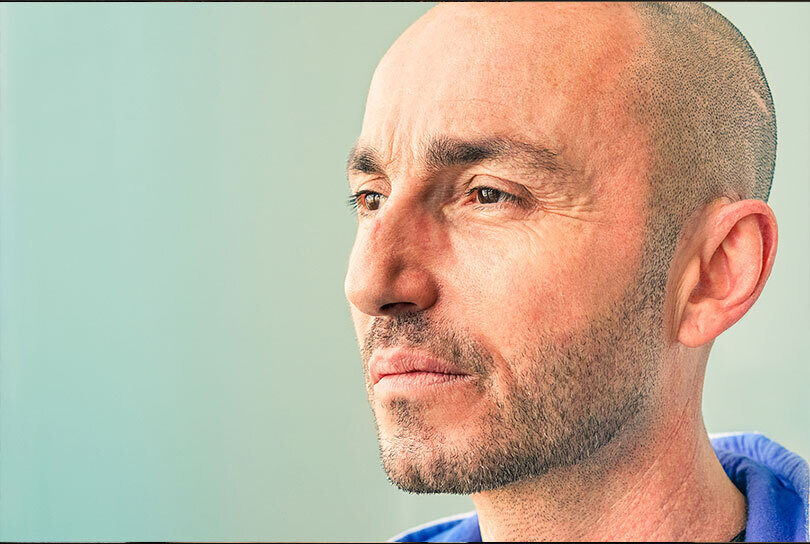
When most people picture anxiety, they imagine someone in visible distress. Shaking hands, avoidance of situations or someone having a panic attack. But anxiety doesn’t always look like this. Sometimes anxiety can hide behind laughter, busy schedules and people who seem to have things under control. This is what the masking of anxiety or “masking anxiety” (for the purposes of this article), can look like.
Masking anxiety is when someone either consciously or unconsciously chooses to hide their anxious thoughts and feelings from others. On the outside, they may look calm and confident. However, on the inside their mind may be racing with worries, self-doubt and the fear of making mistakes.
One of the more common signs of masking is one of stretching ourselves thin with expectations. A teenager who masks anxiety might also be the one who always completes their assignments early, or studies excessively, or takes on too many responsibilities. This can look like motivation or ambition, although it is possible it is instead driven by a fear of failure, fear of disappointing others or fear of not being good enough for themselves or others. Their achievements are not coming solely from the desire to achieve, but from anxiety pushing them forward.
Another way masking can appear is through humour and pretending things are fine. Many teenagers learn that showing vulnerability can lead to unwanted attention, judgment or uncomfortable conversations. Instead, they may choose to joke about the stress or struggles, or even use dark humour. Phrases like “I’m just tired,” often become automatic responses even if they’re not true, or comments like “What doesn’t kill you can only make you stronger!”.
Social situations can also be a place where masking occurrs. Someone may appear outgoing and sociable, but internally they may be constantly analysing everything they say and do. After a conversation, they might replay interactions in their mind, worrying that they said something wrong or embarrassed themselves. Others most likely won’t notice this, because of how hard the person has worked to appear relaxed.
Masking anxiety is also closely linked to perfectionism. Many teenagers feel intense pressure to meet expectations from school, family and peers. To avoid any criticism or perceived criticism, they hide their struggles and push themselves beyond their limits. Admitting they are anxious can feel like admitting weakness, so they continue to pretend they are coping, despite feeling overwhelmed.
There are many reasons why someone might mask their anxiety. One major reason is the stigma around anxiety. Despite growing mental health awareness, anxiety can still be misunderstood. Teenagers may worry they will be judged, seen as weak or be treated differently. They may also believe their anxiety is not serious enough to talk about, due to their ability to remain functioning in daily life.
Another reason is habit. Over time masking becomes automatic behaviour. They may have learned from a young age to hide their emotions to avoid worrying others or to maintain a certain image. Eventually, they may not even realise what they are hiding.
While masking can help someone get through the day, it often comes at a cost. Constantly pretending to be okay is exhausting. It requires emotional energy to monitor behaviour, hide feelings and maintain appearances. Over time, this leads to burnout, emotional numbness and further increases anxiety. It may also contribute to feeling alone or unsupported, helplessness or even hopelessness, as others don’t see the internal struggles they are facing.
Masking can also delay getting help. Teachers, parents and friends may not recognise that anything is wrong. Teenagers might be praised for their achievements while internal distress goes unnoticed. This reinforces the idea that their anxiety must stay hidden.
Recognising masking anxiety is an important step toward better mental health. This doesn’t mean that someone must share everything with everyone. However, it does mean finding a trusted person that they can talk to as this can make a significant difference. Opening up and talking about your struggles can reduce the pressure of carrying everything alone.
It’s also important to remember that anxiety is not a personal failure. It is a part of the human experience that many go through. Someone does not have to reach breaking point to receive support.
Masking anxiety reminds us mental health is not always visible. Just because someone looks fine on the outside does not mean they are not struggling on the inside.
If you or someone you know may be struggling with anxiety, we are here to provide you support. Please contact our friendly reception team on 0477 798 932 to book an appointment today.
James Grgetic is a Psychologist at Progressive Psychology.